Key Points
-
SpaceX is exceptionally exposed to political backlash, especially in its home state of Texas.
-
The company’s sky-high valuation leaves little room for error.
-
Elon Musk is one of the most successful corporate managers in history, with a leadership role in two companies, each worth over a trillion in market value. That didn’t happen by accident. It speaks to his relentless work ethic and willingness to take risks other CEOs would shy away from.
That said, Musk is no stranger to miscalculations, especially in issues like brand management and political exposure. These challenges could have a substantial effect on Space Exploration Technologies‘ (NASDAQ: SPCX) performance. Let’s explore the top three risks the company faces in 2027 and beyond.
Missed Nvidia in 2009? This Rare Signal Is Flashing Again. In 2009, a “Double Down” signal flashed for a little-known chipmaker called Nvidia. For the first time in years, that same “Total Conviction” signal is flashing for a company 1/100th the size of Nvidia. Continue »
Political overexposure
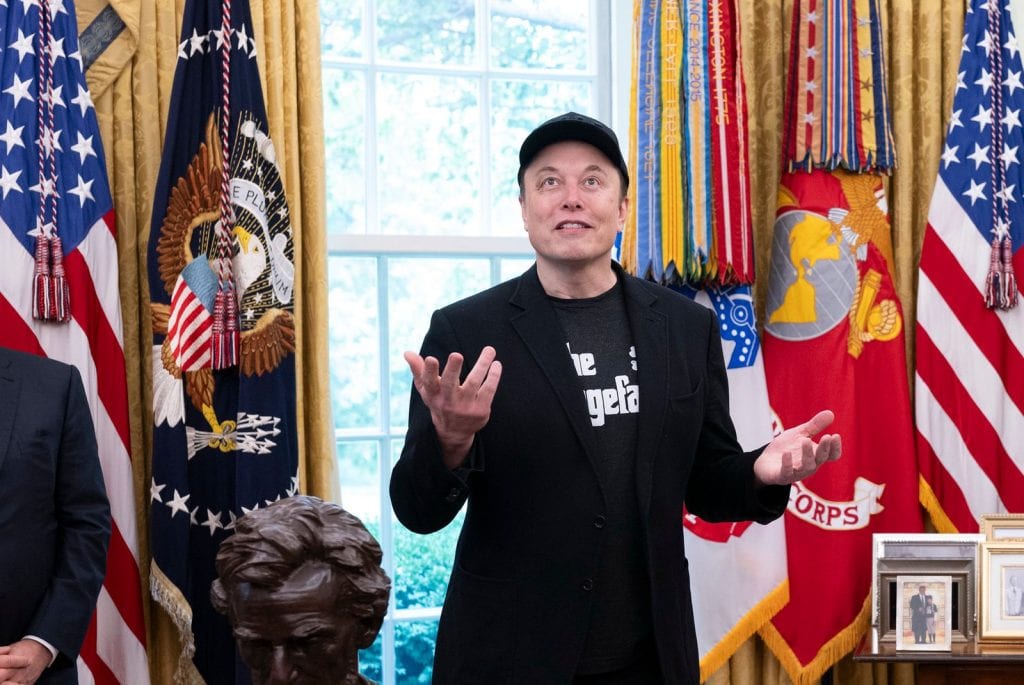
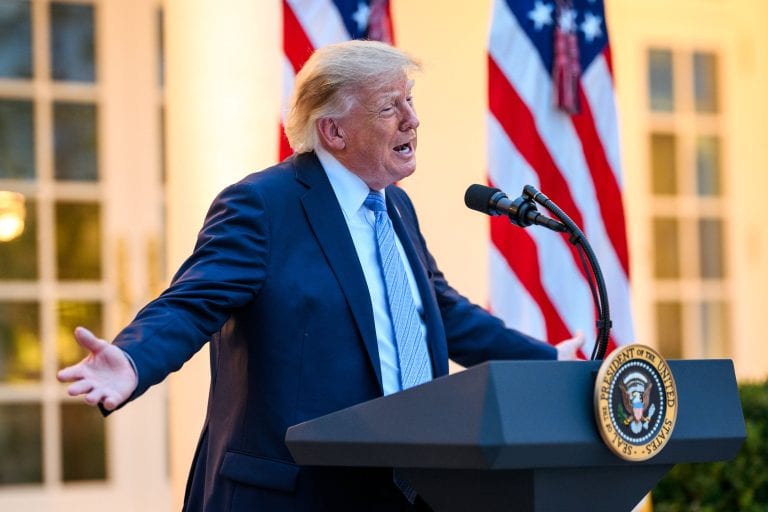
While Musk has long been a political donor, his political activity gained more mainstream attention during the 2024 presidential campaign when he openly backed the winner, Donald Trump. While this decision may have gained him some favor, it also triggered a consumer backlash against his electric vehicle company, Tesla, which saw sales drop 9% in 2025. The company’s brand could take years to restore.
However, instead of learning from this negative experience, Musk decided to double down during the 2026 midterm cycle. He poured an eye-popping $474 million into Republican efforts, including $224 million in Texas, where both SpaceX and Tesla are headquartered.
And Texas swung from red to blue in the midterm elections, despite Musk’s heavy GOP investments.
Texas is home to SpaceX’s Starbase, where it develops, manufactures, and launches its Starship rockets, as well as various satellite components and electronics. While the company is somewhat shielded from the consumer pushback Tesla has experienced, it is likely to face intensified regulatory scrutiny. The company’s expansion efforts have already faced pushback from environmental groups in Texas, and investors should expect this headwind to intensify over the coming years.
SpaceX’s Starlink has also attracted controversy after a slowdown last month restricted Ukraine’s military access to Starshield, with Zelensky questioning whether Musk acted alone. Administration officials say the White House wasn’t involved. This has spurred European governments to invest in building their own alternatives.
AI might be a bubble
So far, Musk seems to have taken the recent setbacks in stride, suggesting on X.com that space-based data centers may be a solution to the changing political climate. SpaceX’s AI segment (which it renamed super intelligence (SI) in keeping with Trump’s preferred terminology) grew by a blistering 830% year over year in the third quarter. It represents the company’s most promising long-term growth driver.
However, even if orbital data center technology proves viable, there is no guarantee that the current AI market will continue to grow fast enough to sustain demand for such large investments.
According to a recent Wall Street Journal study, American businesses and consumers will need to spend the equivalent of 8.8% of the country’s gross domestic product (GDP) annually on AI-related services by 2032 to justify the amount companies are investing in the technology now.
This seems unrealistic because it exceeds what people spend on essentials like energy and transportation. Furthermore, low-cost Chinese large language models (LLMs) are gaining ground on their U.S. competition, raising the possibility that the industry could face a margin-eroding race to the bottom. It may only be a matter of time before SpaceX’s major clients, such as Alphabet and Anthropic, decide to moderate their AI compute spending.
A sky-high valuation
SpaceX faces big challenges from its CEO’s political involvement and a potential slowdown in AI-related spending. Both of these challenges would be easier to overlook if the stock wasn’t priced for perfection. With a market cap of $1.85 trillion, SpaceX trades at a price-to-sales (P/S) ratio of 55, which is well above the S&P 500‘s average of just 3.74.
To be fair, SpaceX is growing extremely fast, with Q3 revenue jumping 161% year over year to $14.6 billion, so it is possible for the stock to eventually grow into its valuation. However, uncertainty remains high, and investors may be better served by waiting for a significant reduction in SpaceX’s stock price before considering a position.
Should you buy stock in Space Exploration Technologies right now?
Before you buy stock in Space Exploration Technologies, consider this:
The Motley Fool Stock Advisor analyst team just identified what they believe are the 10 best stocks for investors to buy now… and Space Exploration Technologies wasn’t one of them. The 10 stocks that made the cut could produce monster returns in the coming years.
Consider when Netflix made this list on December 17, 2004… if you invested $1,000 at the time of our recommendation, you’d have $341,966!* Or when Nvidia made this list on April 15, 2005… if you invested $1,000 at the time of our recommendation, you’d have $1,146,819!*
Now, it’s worth noting Stock Advisor’s total average return is 852% — a market-crushing outperformance compared to 203% for the S&P 500. Don’t miss the latest top 10 list, available with Stock Advisor, and join an investing community built by individual investors for individual investors.
See the 10 stocks »
*Stock Advisor returns as of November 7, 2026.
Will Ebiefung has no position in any of the stocks mentioned. The Motley Fool has positions in and recommends Alphabet, Space Exploration Technologies, and Tesla. The Motley Fool has a disclosure policy.