Key Points
-
Berkshire bought back about $9.6 billion of its own stock in the third quarter, the most it’s ever spent in one quarter.
-
The company paid an average of about $507 a Class B share in September, its biggest month of buying in the period.
-
The Class B shares now trade near $570, about 12% over that September average.
-
Berkshire Hathaway (NYSE:BRKA)(NYSE:BRKB) has never spent this much on its own stock in one quarter. The company spent about $9.6 billion on repurchases in the third quarter of 2026. This inches past the nearly $9.3 billion it spent in the third quarter of 2020.
At Berkshire, a buyback also says something about price. The company repurchases shares only if management thinks they cost less than the business is worth.
Missed AI’s “Act 1”? Act 2 Could Be 15x Bigger. Most investors think they missed the AI boat because they didn’t buy Nvidia in 2005. But according to our analysts, we’re only at the end of “Act 1″—the R&D phase. “Act 2” is the global rollout. Continue »
And the Class B shares now trade near $570 as I write, about 12% over the average price Berkshire paid in September. I think the record buyback says a lot about what the stock was worth then, and a lot less about what it’s worth at today’s price.
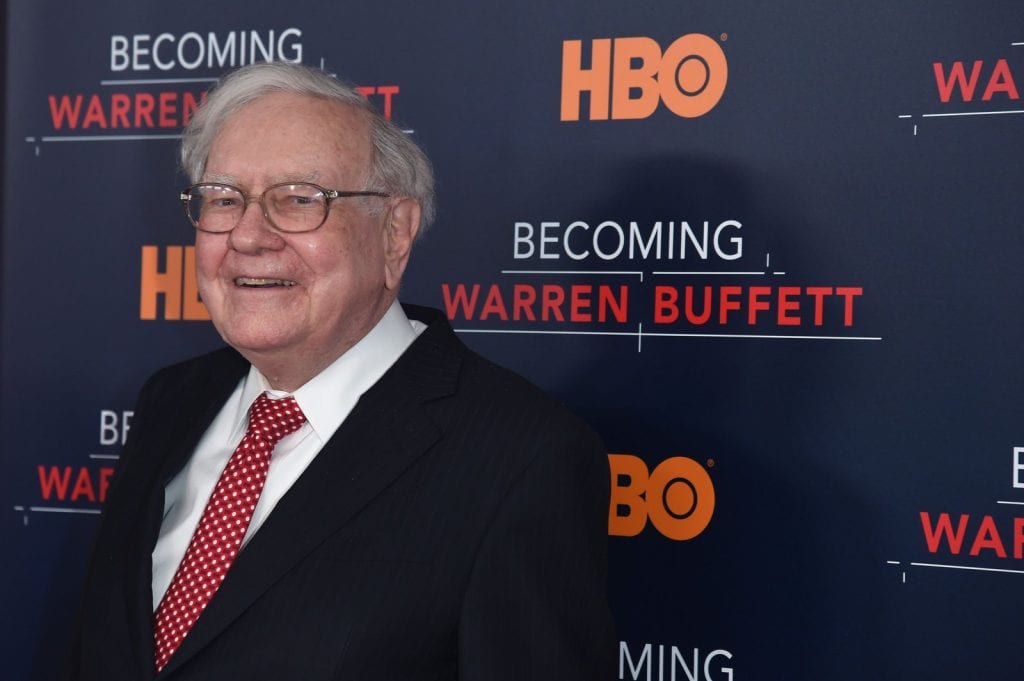
Warren Buffett. Image source: Getty Images.
Buffett’s two tests
Warren Buffett, now Berkshire’s chairman emeritus, spelled out his rule for repurchases in his 2011 letter to shareholders.
“Charlie and I favor repurchases when two conditions are met: first, a company has ample funds to take care of the operational and liquidity needs of its business; second, its stock is selling at a material discount to the company’s intrinsic business value, conservatively calculated,” he wrote, referring to his late partner, Charlie Munger.
Intrinsic value is an estimate of what a whole business is worth.
Versions of both tests remain in Berkshire’s latest quarterly filing, which says it can repurchase shares whenever its CEO, after consulting the chairman of the board, “believes that the repurchase price is below Berkshire’s intrinsic value, conservatively determined.” These two roles now belong to Greg Abel and Howard Buffett, Warren’s son.
Berkshire also won’t buy back stock if doing so would push its cash and Treasury bills below $30 billion. And it had around $352 billion in both insurance and other businesses at the end of September, so the first test isn’t a big hurdle.
The program no longer has a set price limit, though. Until 2018, Berkshire wouldn’t pay over a 20% premium to book value (what’s left after subtracting a company’s liabilities from its assets). Based on a book value of about $358 per Class B share at the end of September, that limit would be roughly $429, well under the stock’s 52-week low of about $464. So, Berkshire is buying at prices the old valuation limit wouldn’t have allowed.
Berkshire kept buying while the price rose
Showing how fast the buying has accelerated, Berkshire repurchased no stock in 2025. Then it bought around $235 million in the first quarter of 2026 and about $4.5 billion in the second quarter.
Across both share classes, Berkshire spent around $3.4 billion in July at an average of about $496 per Class B share, about $847 million in August at about $504, and about $5.4 billion in September at around $507. So its biggest month of buying came at its highest average price of the quarter.
The buying also seems to have kept going. Berkshire’s share count dropped by the equivalent of about 3.8 million Class B shares from Sept. 30 to Oct. 28, suggesting about $2 billion more in buybacks. The filing doesn’t give prices for those weeks, when the Class B shares closed between about $501 and $549.
Is the stock still cheap at $570?
A buyback signals to investors that the CEO believed the shares were worth more than the price paid. It doesn’t say how much more. Sure, “conservatively determined” suggests the full value might be well above what Berkshire paid. But the company doesn’t publish its estimate.
Today’s buyer pays around 15% more than Berkshire’s July average. That’s a valuation of about 1.6 times book value at the end of September, up from around 1.4 times book value at September’s average price.
The third quarter’s numbers don’t explain the stock’s run-up since September, either. Berkshire’s third-quarter operating earnings (which leave out the swings in its stock portfolio that skew net income) dropped around 6% year over year to about $12.7 billion. Without foreign-currency effects on Berkshire’s debt, they dropped less than 1%. But insurance underwriting earnings fell about 43%.
At roughly $570, the stock trades at about 26 times last 12 months’ operating earnings.
In the end, I think the record buyback is a strong sign that about $507 was a good price for Berkshire stock, and a far weaker one than about $570 is.
I’d still consider buying near $570, given how much cash Berkshire has left to deploy. But I’d be a lot more interested at prices closer to what Berkshire itself paid.
Should you buy stock in Berkshire Hathaway right now?
Before you buy stock in Berkshire Hathaway, consider this:
The Motley Fool Stock Advisor analyst team just identified what they believe are the 10 best stocks for investors to buy now… and Berkshire Hathaway wasn’t one of them. The 10 stocks that made the cut could produce monster returns in the coming years.
Consider when Netflix made this list on December 17, 2004… if you invested $1,000 at the time of our recommendation, you’d have $341,966!* Or when Nvidia made this list on April 15, 2005… if you invested $1,000 at the time of our recommendation, you’d have $1,146,819!*
Now, it’s worth noting Stock Advisor’s total average return is 852% — a market-crushing outperformance compared to 203% for the S&P 500. Don’t miss the latest top 10 list, available with Stock Advisor, and join an investing community built by individual investors for individual investors.
See the 10 stocks »
*Stock Advisor returns as of November 9, 2026.
Daniel Sparks and his clients have positions in Berkshire Hathaway. The Motley Fool has positions in and recommends Berkshire Hathaway. The Motley Fool has a disclosure policy.