Key Points
-
Since taking over, Abel has completed two acquisitions, paying $9.7 billion for OxyChem and $6.8 billion for homebuilder Taylor Morrison.
-
While both transactions barely made a dent in Berkshire’s cash position, they provide some insights into Abel’s acquisition approach.
-
While Abel may be deviating from the Buffett playbook, he’s doing so slowly and in a way that prevents Berkshire from stagnating.
-
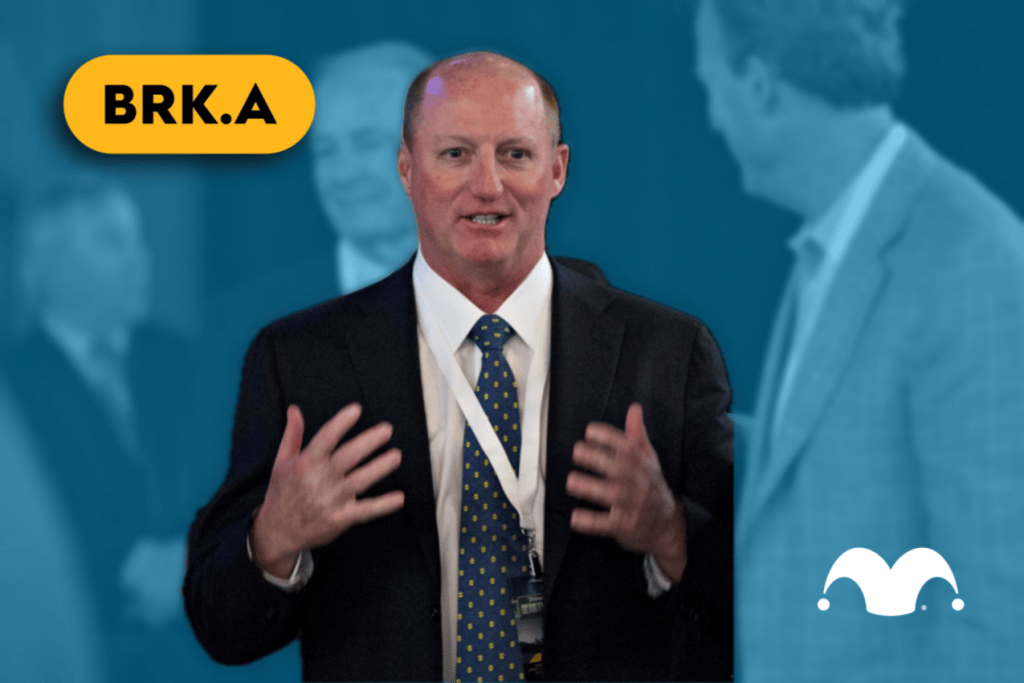
Since taking over from Warren Buffett as CEO of Berkshire Hathaway (NYSE: BRKA) (NYSE: BRKB), Greg Abel has completed two major acquisitions, but they barely made a dent in its cash pile. Between the two transactions, Berkshire spent $16.5 billion in cash, or around 4.5% of its reported Q2 2026 cash balance of $365.5 billion.
Only time will tell whether Berkshire, under Abel’s watch, will ramp up its acquisition activity, but this year’s pair of transactions may give us insight into Abel’s likely approach in the years ahead.
Missed AI’s “Act 1”? Act 2 Could Be 15x Bigger. Most investors think they missed the AI boat because they didn’t buy Nvidia in 2005. But according to our analysts, we’re only at the end of “Act 1″—the R&D phase. “Act 2” is the global rollout. Continue »
Berkshire and its two 2026 acquisitions
First, in January, Berkshire completed its $9.7 billion acquisition of OxyChem, formerly the petrochemical division of Occidental Petroleum, of which Berkshire is a major shareholder. Analysts believed Berkshire acquired the company at a low valuation, but as the deal helped Occidental’s deleveraging efforts, it may bode well for Occidental shares in the long term.
Then, in May, Taylor Morrison agreed to Berkshire’s $72.50-per-share offer to acquire the homebuilder. Berkshire paid a modest 24% takeover premium to acquire the publicly traded company. When the deal closed in July, a Taylor Morrison press release announcing the event noted that Berkshire acquired the outstanding stock for $6.8 billion, assuming an additional $1.7 billion in outstanding debt.
Since closing the Taylor Morrison deal, Berkshire has yet to make another acquisition offer, but beyond indicating the volume of acquisitions it could pursue in the future, these two transactions also provide insight into the types of deals it will likely pursue under Abel’s leadership.
Key takeaways from the OxyChem and Taylor Morrison deals
These two deals aren’t the only ways Abel has been putting Berkshire’s cash position to work. Recall, for instance, Berkshire’s massive further investment in Google’s parent, Alphabet, including its $10 billion participation in the tech giant’s secondary offering, which raised significant capital for the company’s AI infrastructure expansion. The company has also been putting billions to work buying back shares, repurchasing an estimated $4.5 billion worth of shares during Q2 2026.
As soon as next week, Berkshire could drop its latest 13F filing, disclosing any additional major new investments in publicly traded companies. And, as always, the company may announce a new acquisition. For now, however, it may be right to make the following assumptions.
First, Abel has yet to deviate from Buffett in terms of employing discipline when it comes to acquisitions. With each of the deals coming in at less than $10 billion, Berkshire’s new CEO hasn’t tried to mark his leadership era by making an “elephant-sized acquisition,” as Buffett would put it.
Furthermore, given that Berkshire is integrating Taylor Morrison into its Clayton Properties Group subsidiary, Abel may be more willing to pursue synergistic deals than Buffett. With some exceptions, the Oracle of Omaha acquired companies but let them continue to operate independently.
Yet while changes may be brewing, Abel appears to be driving a slow, steady pivot away from typical Warren Buffett investments. Existing Berkshire shareholders should take comfort in this, as Abel’s tweaks to Buffett’s approach may help ensure that the stock market stalwart does not stagnate and decline.
Should you buy stock in Berkshire Hathaway right now?
Before you buy stock in Berkshire Hathaway, consider this:
The Motley Fool Stock Advisor analyst team just identified what they believe are the 10 best stocks for investors to buy now… and Berkshire Hathaway wasn’t one of them. The 10 stocks that made the cut could produce monster returns in the coming years.
Consider when Netflix made this list on December 17, 2004… if you invested $1,000 at the time of our recommendation, you’d have $358,037!* Or when Nvidia made this list on April 15, 2005… if you invested $1,000 at the time of our recommendation, you’d have $1,229,708!*
Now, it’s worth noting Stock Advisor’s total average return is 897% — a market-crushing outperformance compared to 212% for the S&P 500. Don’t miss the latest top 10 list, available with Stock Advisor, and join an investing community built by individual investors for individual investors.
See the 10 stocks »
*Stock Advisor returns as of November 5, 2026.
Thomas Niel has no position in any of the stocks mentioned. The Motley Fool has positions in and recommends Alphabet and Berkshire Hathaway. The Motley Fool has a disclosure policy.