Key Points
-
Berkshire Hathaway started buying Coca-Cola stock in 1988, but it hasn’t added to the position since 1994.
-
The beverage company has grown considerably over the last 38 years.
-
Shareholders have collected growing dividend payments every year.
-
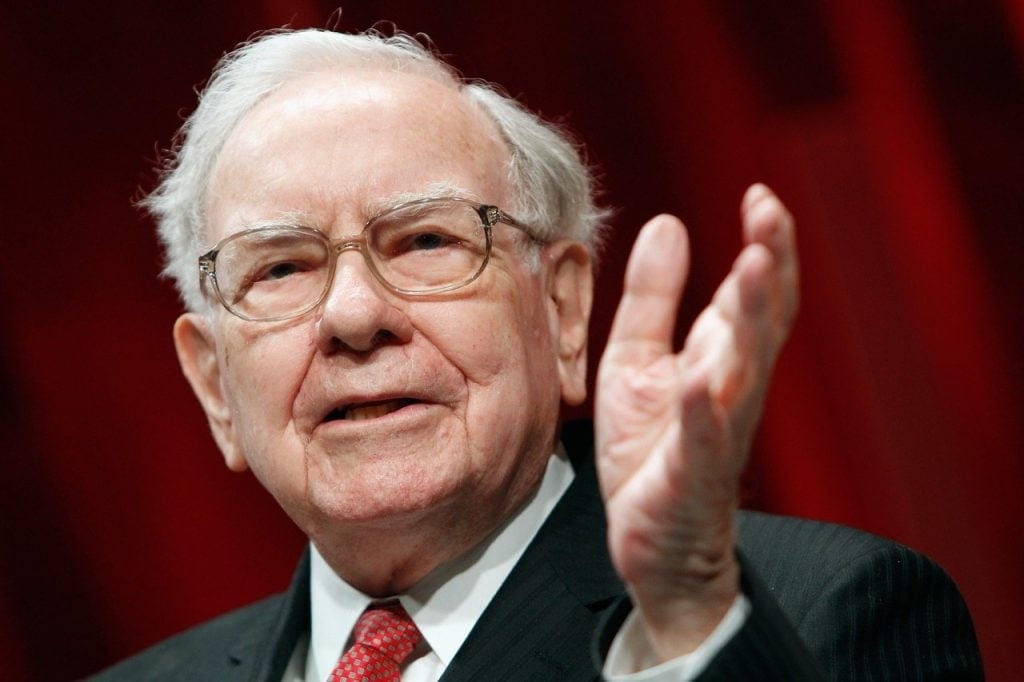
Coca-Cola (NYSE: KO) is one of Warren Buffett’s most famous investments. By the time he stopped picking up more shares of the beverage company in 1994, the position had grown to dominate Berkshire Hathaway‘s (NYSE: BRKA) (NYSE: BRKB) marketable equity portfolio, accounting for more than a third of its value. Today, Coca-Cola remains one of Berkshire’s largest stock holdings, though it has been more than 30 years since the conglomerate last bought shares.
Everyday investors had the opportunity to invest right alongside Buffett. He disclosed the purchases in the company’s quarterly SEC filings and detailed his reasoning for them in his annual shareholder letters. If you had invested just $1,000 in Coca-Cola at around the time Buffett started accumulating shares, your position today would be worth a nice chunk of change.
Missed AI’s “Act 1”? Act 2 Could Be 15x Bigger. Most investors think they missed the AI boat because they didn’t buy Nvidia in 2005. But according to our analysts, we’re only at the end of “Act 1″—the R&D phase. “Act 2” is the global rollout. Continue »
Here’s how much you’d have if you invested $1,000 alongside Buffett
Buffett first bought Coca-Cola for Berkshire Hathaway’s portfolio in 1988. That year, he paid a total of $592.5 million for just over 14 million shares. His average purchase price was $41.81 per share. He added to the position the following year, paying an average of about $47 per share to bring Berkshire’s total share count to 23.35 million. Over the following years, Coca-Cola split its shares twice, bringing Berkshire’s share count to 93.4 million by the end of 1993. In 1994, Buffett made his final purchase of Coca-Cola shares, adding another 6.6 million shares at an average price of $41.66 to bring Berkshire’s total share count to a round 100 million.
If you’d invested $1,000 in 1988 at the same price as Buffett, you’d end up with 24 shares (assuming you were willing to invest just a few bucks over $1,000 to get that final share). Since then, Coca-Cola has split its stock four times, moves that would have turned those original 24 shares into 384 shares. Those shares would be worth nearly $37,000 at today’s price.
But that understates the total return of the investment by a wide margin. Among the factors that attracted Buffett to Coca-Cola are its strong free-cash-flow and earnings growth, which have supported its reliable annual dividend increases. An investor who bought 24 shares of Coca-Cola in 1988 would have collected $7.20 in dividends each quarter from the company. Last month, that investor would’ve collected a total of $203.52 in dividends. Since 1988, the total value of the dividend payments on that original $1,000 investment would add up to $12,581.76.
Adding the value of the shares and the total dividend payout would bring your total return on investment to about $49,500. But if an investor had opted to reinvest the dividends into Coca-Cola stock, they’d now own over 960 shares worth over $92,000. Either way, that’s a fantastic return on a $1,000 investment.
There’s a reason Coca-Cola remains a huge part of Berkshire Hathaway’s portfolio
Coca-Cola has what Buffett calls a wide moat: a competitive advantage that protects its business against both rivals and macroeconomic forces. In this case, the moat stems from its strong brand portfolio, which has enabled it to continue raising prices and maintain a dominant market share in the soda business for decades. Management has strategically added to the company’s beverage brand portfolio via acquisitions and product development, and it now sports 32 brands with at least $1 billion in annual sales. Those strong brands enable it to charge premium prices and maintain margins even amid periods of high inflation or macroeconomic turbulence.
The company’s scale also gives it leverage to drive down bottling costs and control more shelf space in grocery aisles. The latter advantage allows it to easily introduce new products or boost the visibility of newly acquired brands. The result has been steady revenue growth and margin expansion. Coca-Cola’s organic revenue climbed 7% in the third quarter while its comparable operating margin expanded by 1 percentage point to 32.9%.
Coca-Cola’s stock price has climbed significantly in 2026. Its strong operating results and steady free cash flow may have attracted investors looking to diversify away from cash-burning AI stocks. Trading near 28 times expected forward earnings, the stock looks somewhat expensive, so investors looking to put $1,000 to work in Coca-Cola stock may be better off waiting for a better entry point. That said, there’s nothing about the company’s recent results or management’s outlook that should give investors any reason to sell the stock.
Should you buy stock in Coca-Cola right now?
Before you buy stock in Coca-Cola, consider this:
The Motley Fool Stock Advisor analyst team just identified what they believe are the 10 best stocks for investors to buy now… and Coca-Cola wasn’t one of them. The 10 stocks that made the cut could produce monster returns in the coming years.
Consider when Netflix made this list on December 17, 2004… if you invested $1,000 at the time of our recommendation, you’d have $342,020!* Or when Nvidia made this list on April 15, 2005… if you invested $1,000 at the time of our recommendation, you’d have $1,270,017!*
Now, it’s worth noting Stock Advisor’s total average return is 885% — a market-crushing outperformance compared to 208% for the S&P 500. Don’t miss the latest top 10 list, available with Stock Advisor, and join an investing community built by individual investors for individual investors.
See the 10 stocks »
*Stock Advisor returns as of November 5, 2026.
Adam Levy has no position in any of the stocks mentioned. The Motley Fool has positions in and recommends Berkshire Hathaway. The Motley Fool has a disclosure policy.