Key Points
-
Key indicators a recession may be on the way include high energy costs and persistent inflation.
-
Recession indicators can be useful, but they’re imperfect and can lead to false alarms.
-
Whether the U.S. enters a recession in 2027 or not, it pays to be ready.
-
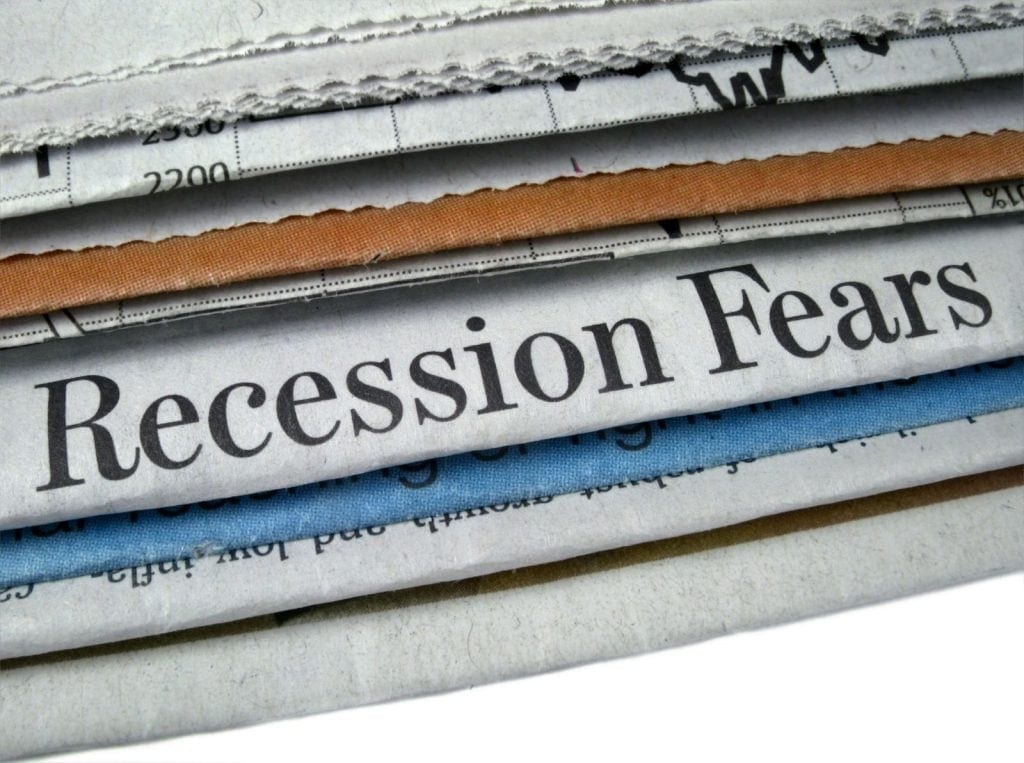
While recessions are part of the normal economic cycle, that view minimizes their effect on everyday Americans. Not counting the Great Depression of 1929 through 1933, there have been 15 recessions over the last 100 years. The U.S. has managed to survive them all, but that doesn’t mean it’s been easy.
Image source: Getty Images.
Missed AI’s “Act 1”? Act 2 Could Be 15x Bigger. Most investors think they missed the AI boat because they didn’t buy Nvidia in 2005. But according to our analysts, we’re only at the end of “Act 1″—the R&D phase. “Act 2” is the global rollout. Continue »
Signs a recession may be on the way
Here are some of the signs economists use to forecast a recession:
- High interest rates: As borrowing becomes more expensive, fewer people buy homes, make business investments, or purchase unnecessary items.
- High inflation: Because households can afford less, they cut back on purchases. This leads to lost revenue for area businesses and potential trouble keeping their doors open.
- Falling consumer confidence: When people fear losing their jobs or worry about making their monthly payments on time, they tend to pull back on spending.
- Business pullbacks: With less income, businesses may be forced to reduce production, slow hiring, lay off employees, or close entirely.
- External shocks: Events such as wars, supply chain disruptions, or high energy costs create market volatility.
- Excessive debt: Households, businesses, and governments can find themselves treading water as they fight to pay off high-interest debt.
Given the number of factors at play in the U.S. today, it’s no surprise that some are convinced we’re entering a recession. Whether that’s true or not, here’s why I’m not worried.
A basic plan
No matter how or why it happens, I plan for the next recession in the same, uncomplicated way. There’s nothing magical about my plan, other than that it touches all the bases.
- Make a contingency plan: I always know my monthly income, essential expenses, debts, savings, and any upcoming big costs. That way, I can quickly trim the budget as needed.
- Remain diversified: Through experience, I’ve learned not to visit my portfolio too often. However, I check in quarterly to ensure I don’t have too much overlap in holdings, particularly long-term exchange-traded funds (ETFs).
- Create a cushion: I’ve built an emergency fund to cover expenses like a water heater leak or an emergency vet visit, so nothing has to go on a credit card. If you’re retired and regularly pull money from a retirement account, consider building two emergency funds: One for unexpected expenses, and the other to draw from when the market is down and you don’t want to sell assets at a loss.
- Jettison debt: While the interest rates on the debts I have left are relatively low, I keep chipping away at them. The less debt I have when the next recession arrives, the easier it will be to absorb higher prices.
Most importantly, remain calm
I know two things about recessions. First, they don’t last forever. The longest recession in the past 100 years was the Great Recession of 2007 to 2009, an economic mess that lasted 18 months. The shortest lasted two months, during the COVID-19 pandemic.
I also know that panic leads to making irrational investment decisions, and irrational decisions can turn a temporary drop into a permanent loss. Selling investments after they’ve fallen locks in a lower price and likely means I’ll miss the recovery. In fact, I keep investing to take advantage of bargain prices caused by those who abandon the market during a recession.
To be clear, a recession in 2027 is possible, but it’s not inevitable. A forecast can only act as a warning light, not a verdict. I’m not dismissing the risks, but I am looking at what the forecasts say. Although ominous signs are clearly visible, major forecasts in November 2026 still expect the U.S. economy to keep growing, despite recent AI drama.
Whether you’re planning for a recession, a bear market, or other unexpected occurrence, remain diversified, stay calm, and remember it won’t last forever.
Missed AI’s “Act 1”? Act 2 Could Be 14x Bigger
Most investors think they missed the AI boat because they didn’t buy Nvidia in 2005.
But according to our analysts, we’re only at the end of “Act 1″—the R&D phase. “Act 2” is the global rollout, a massive technology build-out that Google’s CEO says could be more profound than fire or electricity.
While everyone watches the chip designers, one “backbone” company provides the critical technology that Nvidia and AMD literally cannot function without. We’ve detailed this under-the-radar player in our new AI Playbook.
Continue »
The Motley Fool has a disclosure policy.