Key Points
-
Nvidia stock has been on a roller-coaster ride in November, with CEO Jensen Huang resigning and then being reinstated in the span of 11 days.
-
Huang’s reinstatement clears several near-term gray clouds.
-
However, the trust engendered in the face of the artificial intelligence (AI) revolution has been lost or damaged, and there’s no quick fix for rebuilding it.
-
It’s been a wild couple of weeks for Nvidia (NASDAQ:NVDA), its shareholders, and Wall Street as a whole, to put it mildly.
Following the admission of an affair with an alleged Chinese spy, as well as allegations of two extramarital affairs with employees, Huang resigned as CEO on Nov. 12, spurring an elevator-down move in his company’s stock the likes of which have never been witnessed. Over 45 calendar days (ending Nov. 20), Nvidia lost $2.75 trillion in market value.
Missed Nvidia in 2009? This Rare Signal Is Flashing Again. In 2009, a “Double Down” signal flashed for a little-known chipmaker called Nvidia. For the first time in years, that same “Total Conviction” signal is flashing for a company 1/100th the size of Nvidia. Continue »
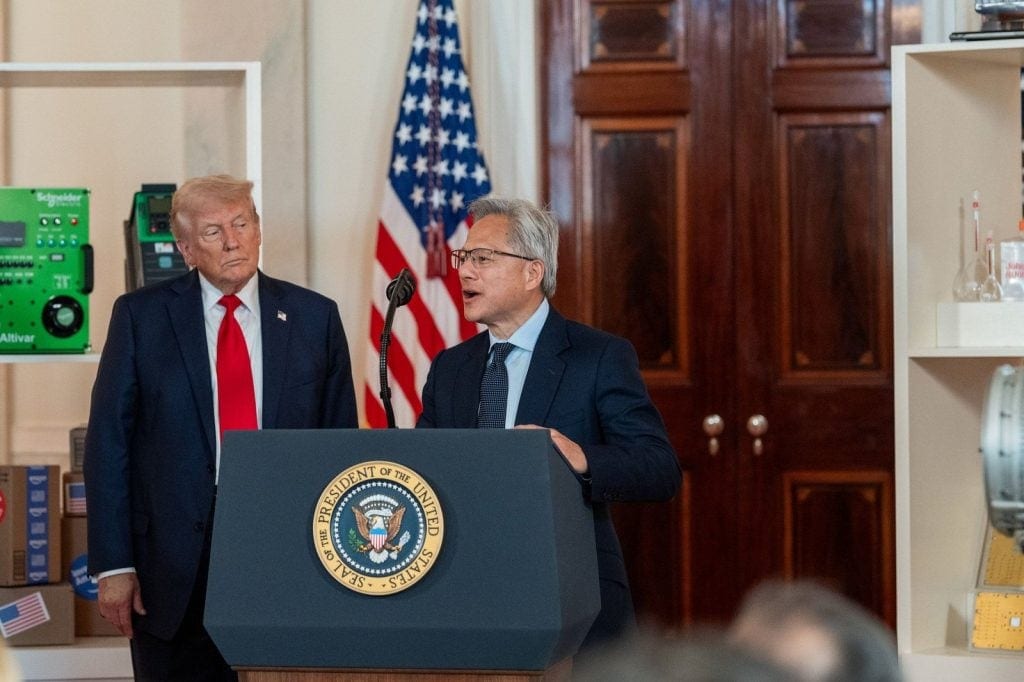
Jensen Huang and Nvidia’s board still have a big problem on their hands. Image source: Official White House Photo by Joyce N. Boghosian.
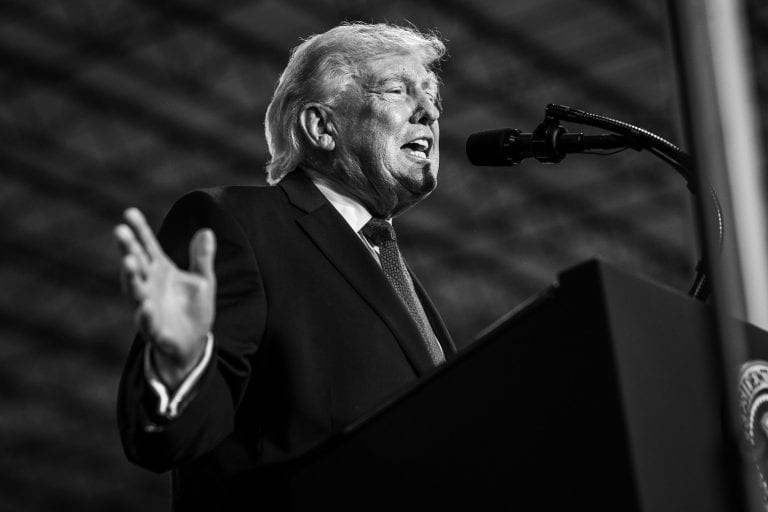
Then came the 180 on Monday, Nov. 23, with Nvidia’s board reversing course and reinstating Huang as CEO after just 11 days. President Donald Trump congratulated the board on “what I consider to be an absolutely great decision,” with a White House spokesperson claiming the president was involved in Huang’s reinstatement as CEO.
While Huang’s return does resolve some near-term concerns for Nvidia, a critical problem remains that won’t be easy to tackle.
Jensen Huang’s reinstatement clears some near-term gray clouds
Nvidia didn’t add more than $900 billion in market cap on Monday by accident. Huang has become the face of the artificial intelligence (AI) infrastructure build-out, and his presence keeps Nvidia at the center of this multitrillion-dollar revolution.
Jensen Huang leading the charge also means that Nvidia’s aggressive innovation timeline stays on track. The company intends to bring an advanced AI chip to market annually, securing its top spot in graphics processing unit (GPU) compute capabilities.
Perhaps most importantly, questions about the numerous circular financing deals Huang orchestrated are likely to die down. Nvidia has pledged jaw-dropping amounts of capital to neoclouds, hyperscalers, and large language model developers who, in turn, will purchase GPUs from the company.
Huang’s return, coupled with Nvidia’s eye-popping growth forecast, suggests its stock is a bargain — but that’s not the full story.
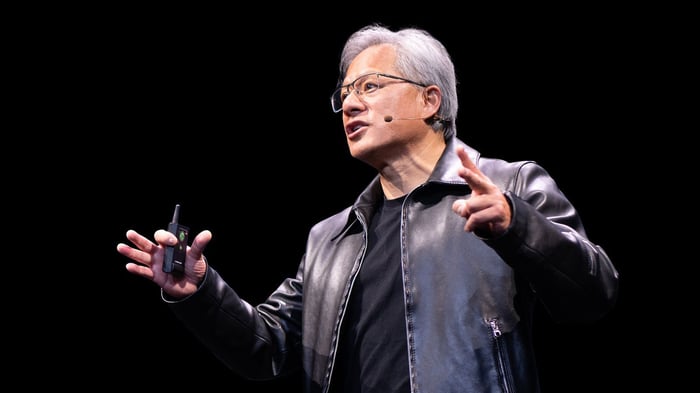
Jensen Huang’s biggest challenge awaits. Image source: Getty Images.
Jensen Huang/Nvidia’s board committed the cardinal sin of investing
Although Wall Street cheered this reinstatement, Nvidia committed the ultimate investing no-no: it broke investors’ trust.
Among billionaire Warren Buffett’s laundry list of investing quotes, he once stated that “It takes 20 years to build a reputation and five minutes to ruin it.” This month, we’ve had Nvidia’s CEO and co-founder admit to an extramarital affair, have seen several probes kicked off by regulators into Nvidia’s accounting and operating practices, and watched the company’s board flip-flop on the company’s longtime boss over a two-week stretch.
What investor trust had been engendered has arguably been lost or damaged, and there’s no quick fix for rebuilding it.
This intangible damage over the last couple of weeks may slow future circular financing deals, even with Jensen Huang back at the helm, and could further contract Nvidia’s already historically low earnings multiple. Until Nvidia rebuilds trust with Wall Street and investors — and there’s no set timeline for this — the upside for its stock and its dealmaking capacity may be capped.
Should you buy stock in Nvidia right now?
Before you buy stock in Nvidia, consider this:
The Motley Fool Stock Advisor analyst team just identified what they believe are the 10 best stocks for investors to buy now… and Nvidia wasn’t one of them. The 10 stocks that made the cut could produce monster returns in the coming years.
Consider when Netflix made this list on December 17, 2004… if you invested $1,000 at the time of our recommendation, you’d have $320,394!* Or when Nvidia made this list on April 15, 2005… if you invested $1,000 at the time of our recommendation, you’d have $917,381!*
Now, it’s worth noting Stock Advisor’s total average return is 776% — a market-crushing outperformance compared to 199% for the S&P 500. Don’t miss the latest top 10 list, available with Stock Advisor, and join an investing community built by individual investors for individual investors.
See the 10 stocks »
*Stock Advisor returns as of November 26, 2026.
Sean Williams has no position in any of the stocks mentioned. The Motley Fool has positions in and recommends Nvidia. The Motley Fool has a disclosure policy.