Key Points
-
SpaceX plans to invest around $24 billion at Starbase, Texas, and about $50 billion in Cochise County, Arizona.
-
Management sees fourth-quarter capital expenditures of $35 billion to $40 billion, up from $19.6 billion for the third quarter.
-
SpaceX’s cash and short-term marketable securities were around $90 billion at the end of September.
-
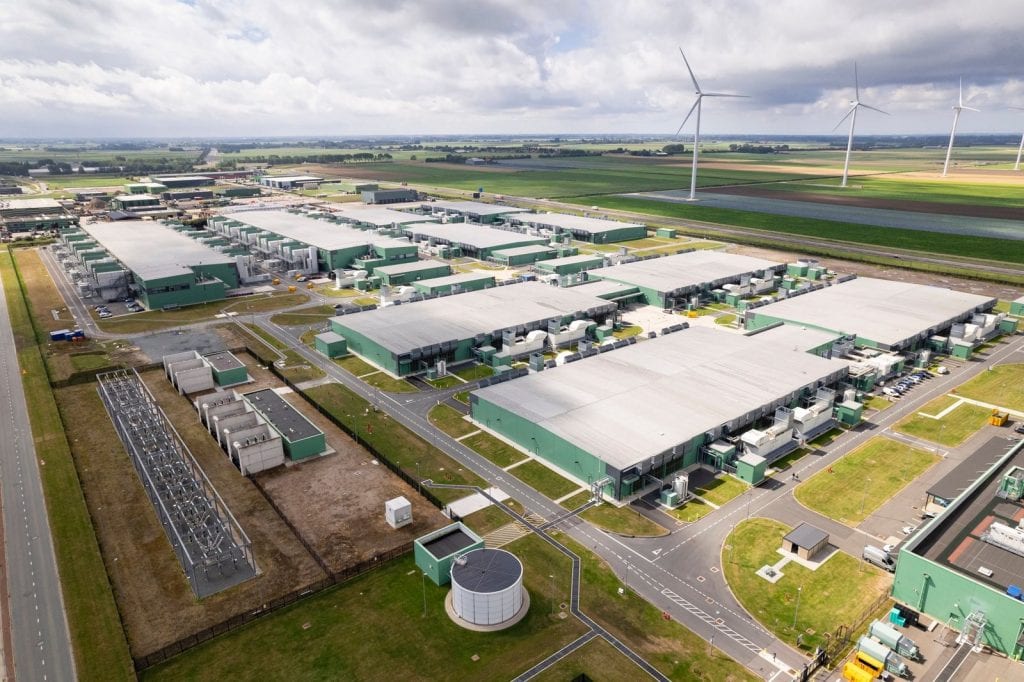
SpaceX (NASDAQ:SPCX) put a number on its next wave of building on Thursday, Nov. 12. The company said it plans to invest around $24 billion in an artificial intelligence (AI) supercomputing center at Starbase, its Texas headquarters, and about $50 billion in a second campus in Cochise County, Arizona. In all, SpaceX said the two amount to over $74 billion in planned investment.
It’s a lot of money, even for a business worth around $1.9 trillion. But that looks less startling next to what SpaceX already spends. Management sees capital expenditures of $35 billion to $40 billion for the fourth quarter alone, so the two campuses equal around two quarters of spending at that rate.
Missed Nvidia in 2009? This Rare Signal Is Flashing Again. In 2009, a “Double Down” signal flashed for a little-known chipmaker called Nvidia. For the first time in years, that same “Total Conviction” signal is flashing for a company 1/100th the size of Nvidia. Continue »
How will SpaceX pay for it all? Its cash pile is shrinking fast, and I think management’s own answer relies on cash flow and borrowing, not new shares.
Shares trade near $137 as I write, off about 39% from their post-IPO high of $225.64.
Image source: Getty Images.
Approvals still ahead
The Texas project is already under way. SpaceX says it’s created over 3,000 construction jobs, and it’s paid $40 million toward a $220 million pledge for Brownsville’s water and wastewater systems.
But Texas politics might slow it down. The state has paused environmental permits and grid connections for new data centers while regulators audit them. And Governor-elect Gina Hinojosa, who takes office Jan. 19, has promised a moratorium on all data center approvals.
Arizona is even earlier. SpaceX says it’s seeking approval for the Cochise County campus, which was filed under a company named Tombstone Resources LLC. The county’s Planning and Zoning Commission has a public hearing on it set for Dec. 9.
In short, the bigger campus, around two-thirds of the $74 billion, still needs the county’s approval.
A shrinking cash pile
Capital spending has accelerated every quarter this year. SpaceX’s third-quarter capital expenditures were $19.6 billion, compared with $18.4 billion in the second quarter and almost triple the year-ago total. The fourth-quarter forecast would nearly double that again. Operating cash flow also grew, reaching around $9.6 billion versus about $3.8 billion a year earlier. But it covered only about half of the quarter’s spending.
This gap is coming out of savings. SpaceX’s cash and short-term marketable securities were around $90 billion at the end of September, down from about $100 billion three months before. If operating cash flow only matches the third quarter’s, the fourth-quarter gap alone might reach about $25 billion to $30 billion.
Put simply, the cash on hand can’t fund that rate for long. If the gap stayed that big, the $90 billion would last a bit over three quarters.
Debt, not dilution?
CFO Bret Johnsen explained where the money might come from when SpaceX posted third-quarter results on Oct. 20.
“You have your operational cash flows, first and foremost. You have multiple pools of capital available in the debt market, especially because of our investment-grade status and strong balance sheet,” Johnsen said.
Borrowing has already picked up. SpaceX’s debt and finance leases totaled around $39 billion in September, up from about $23 billion at the end of 2025.
More borrowing is also lined up. In late October, SpaceX signed a binding commitment for a finance lease on graphics processing units and related equipment. It expects principal payments on the lease to total about $40 billion.
And third-quarter interest expense climbed 31% year over year to $675 million. For now, the cash pile earns more than that, with interest income of $873 million, up from $155 million a year earlier. Back then, interest income covered only about 30% of the interest bill. But as the cash gets spent and borrowing grows, that cushion could turn into a net interest bill.
Of course, debt doesn’t add shares. With the stock far below its high, raising money by selling new shares would require more shares per dollar than it would near the top. That arguably makes borrowing the cheaper option for current shareholders, if SpaceX keeps the investment-grade status Johnsen pointed to.
At around 32 times sales (based on annualized third-quarter revenue), the growth stock already assumes spending pays off quickly. And I think it has to, because this type of computing gear tends to age fast.
In the end, I don’t think the $74 billion figure changes much for the stock on its own. SpaceX was already spending at this level, and the bigger campus still needs approval. Before buying shares, I’d want to see operating cash flow cover a bigger part of the build-out.
Should you buy stock in Space Exploration Technologies right now?
Before you buy stock in Space Exploration Technologies, consider this:
The Motley Fool Stock Advisor analyst team just identified what they believe are the 10 best stocks for investors to buy now… and Space Exploration Technologies wasn’t one of them. The 10 stocks that made the cut could produce monster returns in the coming years.
Consider when Netflix made this list on December 17, 2004… if you invested $1,000 at the time of our recommendation, you’d have $335,171!* Or when Nvidia made this list on April 15, 2005… if you invested $1,000 at the time of our recommendation, you’d have $1,000,640!*
Now, it’s worth noting Stock Advisor’s total average return is 823% — a market-crushing outperformance compared to 208% for the S&P 500. Don’t miss the latest top 10 list, available with Stock Advisor, and join an investing community built by individual investors for individual investors.
See the 10 stocks »
*Stock Advisor returns as of November 14, 2026.
Daniel Sparks and his clients do not have positions in any of the stocks mentioned. The Motley Fool has positions in and recommends Space Exploration Technologies. The Motley Fool has a disclosure policy.