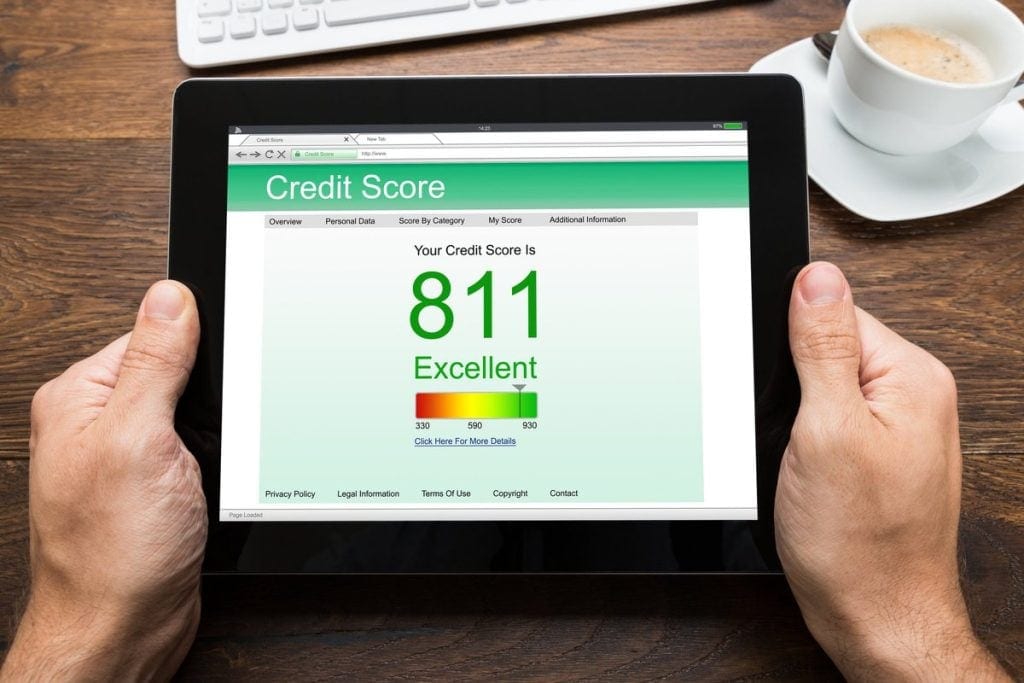
Bad news — you might want to sit down for this. The truth is, you’ll probably never hit a perfect 850 credit score. In fact, less than 2% of people have one, according to Experian.
Here’s the good news, though: It doesn’t matter.
The score that matters is 800, not 850. At 800, lenders give you their best rates on mortgages and car loans, and you can likely qualify for pretty much any credit card you want. A higher score is just extra breathing room. It won’t unlock anything else.
Here’s what to know about the credit score you should really aim for, and how to get there.
What credit score do you need to get the best rates?
Any credit score of 800 or above lands you in FICO’s “exceptional” tier. That means no matter how much higher you go, you’re already qualifying for the best loan rates, credit cards, and more.
And in a lot of cases, a score of 780, 760, or even 740 will do the trick. Many of the best personal loans go to those with scores in the 700s.
One catch: the score you’re looking at may not be the one a lender pulls. There are a number of scoring models out there, and lenders might rely on different ones — or an outdated version of a popular one. That is one valid reason to keep boosting your score, no matter what it is — you never know what model a lender is looking at.
How many people have an 850 credit score?
Only 1.71% of Americans have an 850 credit score, according to Experian. Compare it with the average credit score of 714, and you can see how far off most of us are.
An underrated factor: A perfect credit score also takes time. Length of credit history makes up 15% of your FICO® Score, which explains why most people with perfect scores are of middle age or older.
Credit scores fluctuate, too, as you add and subtract from your balance. Truth is, you’ll need decades of payments, a spotless record, and maybe even a little luck to land a perfect score.
How to get an 800+ credit score
Getting to 800 comes down to a few simple habits: pay on time, keep balances low, and leave old accounts open.
Payment history is the biggest piece of your FICO® Score at 35%, and amounts owed is next at 30%. That means if you’re paying on time and not maxing out your credit limits, you’re already doing the bulk of the work. Try to keep your card balances under 30% of your total credit for best results. Lower is better.
And as mentioned, credit age matters too. Keeping old accounts open helps more than you might know — if you’re not paying an annual fee on a card, it’s probably worth holding onto.
Should you always look to improve your credit score?
Basically, yes, but there are some caveats. My take is that once you’re comfortably above 800, you shouldn’t stress over hitting a perfect score. The smarter move is to stop optimizing and start taking advantage of your high score.
Chasing the last few points isn’t worth the tradeoff, especially if it means freezing your card usage or drastically changing your spending habits. Instead, start looking for a credit card that can help you save, or a top loan or mortgage rate to get the car or house you’ve been wanting.
Once you’re above 800, you’ve done a lot of the hard work. Now it’s time to check out our list of the best credit cards available now and find the one for you.
Alert: highest cash back card we’ve seen now has 0% intro APR Into 2028 AND a $200 bonus
This credit card is not just good – it’s so exceptional that our experts use it personally. It now features a $200 bonus on top of a 0% intro APR for 15 months and a cash back rate of up to 6%, and all somehow for no annual fee!
Click here to read our full review for free and apply in just a few minutes.
Read our free review
We’re firm believers in the Golden Rule, which is why editorial opinions are ours alone and have not been previously reviewed, approved, or endorsed by included advertisers.
Motley Fool Money does not cover all offers on the market. Editorial content from Motley Fool Money is separate from The Motley Fool editorial content and is created by a different analyst team.The Motley Fool has a disclosure policy.