Key Points
-
While the R2 remains center-focus for investors, don’t overlook the upgraded electric delivery vans.
-
With more compelling range and options, Rivian’s EDV could be due for another larger fleet order.
-
Fleet operators take time to run testing pilots, which could be one reason investors haven’t seen a second large fleet order just yet.
-
Rivian (NASDAQ: RIVN) investors can be forgiven for keeping their eyes glued to the R2. The highly anticipated and more affordable electric SUV is central to the company’s growth plans, and it has already become Rivian’s best-selling vehicle.
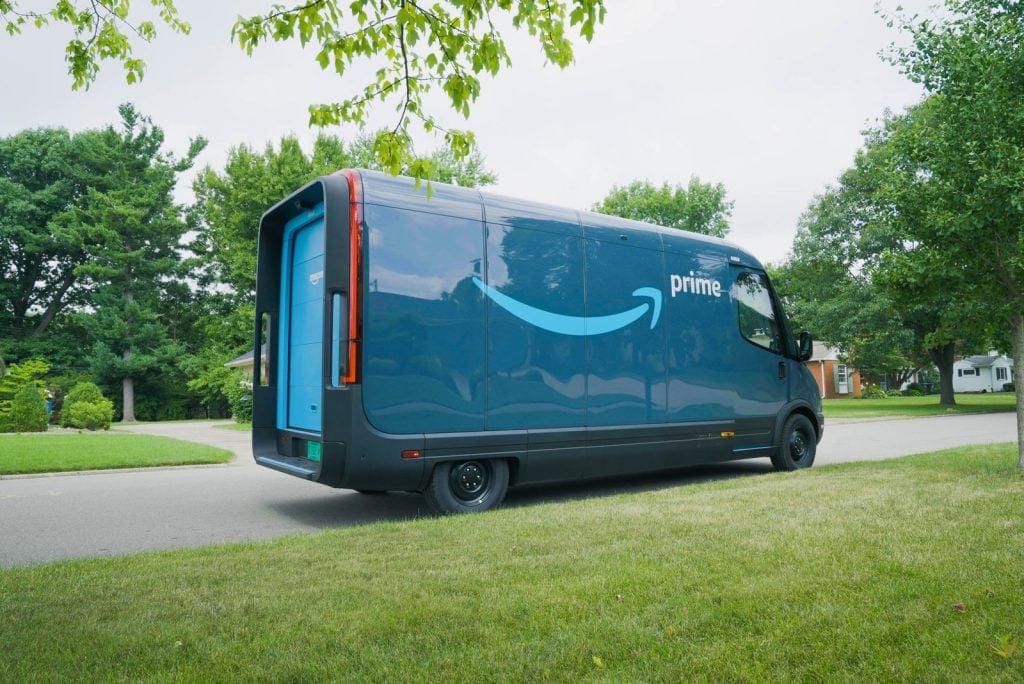
But another growth opportunity that has spent some time on the back burner is quietly getting an upgrade. Last month, Rivian began delivering new configurations of its electric delivery van (EDV) that could help attract another substantial fleet order – years after loosening its exclusive arrangement with retail juggernaut Amazon (NASDAQ: AMZN). Let’s dig into what changed, why it matters, and how Amazon still has a say in certain potential deals.
Missed Nvidia in 2009? This Rare Signal Is Flashing Again. In 2009, a “Double Down” signal flashed for a little-known chipmaker called Nvidia. For the first time in years, that same “Total Conviction” signal is flashing for a company 1/100th the size of Nvidia. Continue »
More roads, more opportunity
The upgrades include an all-wheel-drive configuration and a larger battery offering 30% more range. Rivian says these additions are designed to expand coverage into more rural delivery networks. That could help existing customers expand their use while giving prospective buyers another reason to take a look. Nobody orders a fleet because the headlights are cute, or if they do, they probably won’t find themselves in business long. These vehicles need to earn their parking spaces through creating some kind of value and/or efficiency for the operator. Here are brief reminders of just some of the advantages Rivian’s EDVs offer.
Advantages remain compelling
First, the potential for energy savings is real. Electricity can cost less per mile than gasoline or diesel, especially if there’s well-managed depot charging, including charging at off-peak times. Fuel prices remain elevated compared to a year ago, giving operators reason to run the numbers again.
Second, electric vans eliminate engine oil changes and have fewer moving drivetrain parts, while regenerative braking reduces brake wear. That doesn’t eliminate repairs or downtime, but it generally means less routine maintenance. The upgrades could bring the vans’ existing advantages to more routes. For fleet operators, those advantages come down to cost. If pilot testing shows prospective buyers that Rivian’s EDVs can lower the cost per delivery, the vehicles become compelling.
Looking beyond Amazon
Rivian changed its agreement with Amazon in late 2023, opening the door to other commercial customers. There has been progress since then, with HelloFresh adding 70 Rivian EDVs, while AT&T (NYSE: T) announced an agreement to purchase Rivian vehicles through a pilot program.
Those are recognizable names, but the next meaningful milestone would be a substantial fleet commitment demonstrating broader demand beyond Rivian’s anchor customer, which really put the company on the map for many investors in the early days.
There’s also a bit of a catch for Rivian and its investors. Some of the businesses best suited to use Rivian’s EDVs could also compete with Amazon. Rivian’s latest filing says sales to certain last-mile delivery and retail customers still require Amazon’s consent, potentially discouraging those buyers. Rivian’s upgraded EDVs could attract more interest, but Rivian doesn’t have complete freedom in turning that interest into orders.
What it all means
For shareholders, another sizable customer would matter beyond the delivery total. It would emphasize that Rivian can build a broader commercial business around a product developed primarily for Amazon. Furthermore, if potential increased demand for its EDVs increases factory output, it could help spread fixed costs beyond its scaling R2 production. Watch for pilot programs turning into larger purchases and existing customers expanding their fleets. I had hoped to see more of that this year, but the upgrades give prospective buyers another reason to take a look.
Rivian’s R2 deserves plenty of the attention it’s currently receiving. Just don’t overlook the delivery van parked beside it — it may yet have another big order down the road.
Should you buy stock in Rivian Automotive right now?
Before you buy stock in Rivian Automotive, consider this:
The Motley Fool Stock Advisor analyst team just identified what they believe are the 10 best stocks for investors to buy now… and Rivian Automotive wasn’t one of them. The 10 stocks that made the cut could produce monster returns in the coming years.
Consider when Netflix made this list on December 17, 2004… if you invested $1,000 at the time of our recommendation, you’d have $344,878!* Or when Nvidia made this list on April 15, 2005… if you invested $1,000 at the time of our recommendation, you’d have $1,097,846!*
Now, it’s worth noting Stock Advisor’s total average return is 852% — a market-crushing outperformance compared to 208% for the S&P 500. Don’t miss the latest top 10 list, available with Stock Advisor, and join an investing community built by individual investors for individual investors.
See the 10 stocks »
*Stock Advisor returns as of November 11, 2026.
Daniel Miller has no position in any of the stocks mentioned. The Motley Fool has positions in and recommends Amazon. The Motley Fool has a disclosure policy.