
Image source: Getty Images
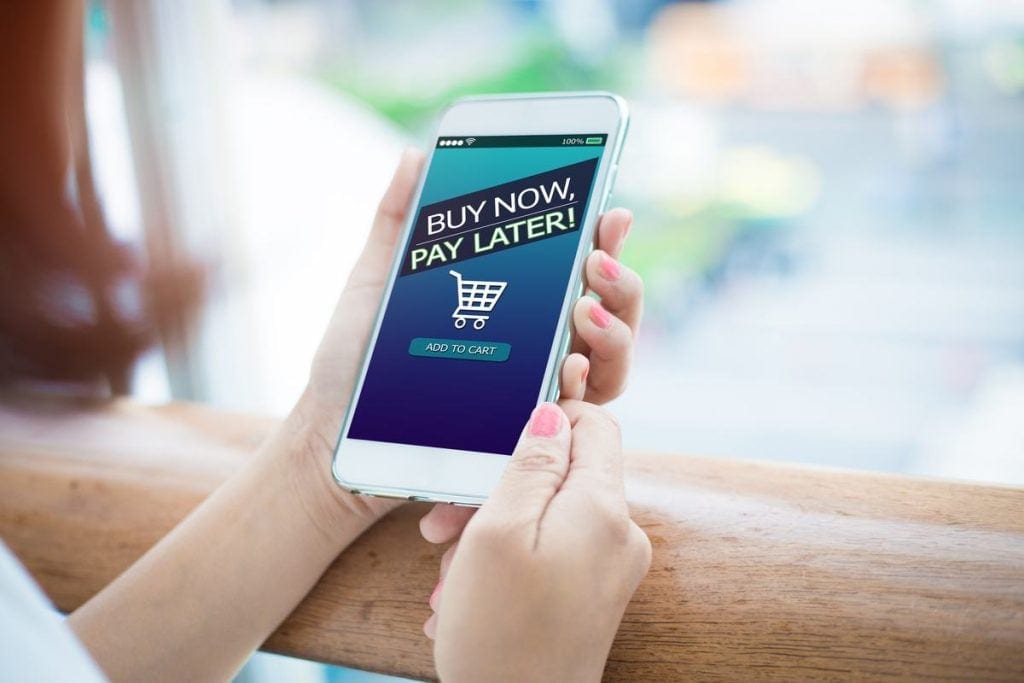
More than 1 in 4 buy now, pay later (BNPL) users regret it once the full cost sinks in. That’s 26% of users, according to Motley Fool Money research — and it usually hits after checkout, not during.
Another 57% admit they’ve used BNPL to buy something they couldn’t really afford. Nineteen percent have lost track of a payment entirely.
My team surveyed 2,000 Americans to learn the ins and outs of using BNPL in real life. Here’s who regrets it most, why it happens, and the tool that usually works better for financing big purchases.
Why so many people regret buy now, pay later
BNPL feels free at checkout, and that’s exactly the problem. It works kind of like a credit card, minus the guardrails.
It’s way too easy to split a purchase into a few payments, forget about it, then the charges start stacking against your budget.
Late payments are the main trap. The share of users paying late climbed from 18% in 2023 to 24% in 2024 to 26% in 2025, according to the Federal Reserve. When people do pay late, 64% get hit with a fee.
Those fees aren’t huge on their own — the average runs about $9.99, per the Consumer Financial Protection Bureau. But if you’re paying a $10 fee on a $50 purchase, that’s a 20% finance cost — nowhere near the “interest-free” deal you thought you were getting.
Who regrets buy now, pay later purchases the most
Millennials lead at 30%, with Gen Z close behind at 27%. Here’s the breakdown by generation:
| Generation | Regret Rate |
|---|---|
| Gen Z | 27% |
| Millennials | 30% |
| Gen X | 22% |
| Baby boomers | 18% |
This aligns with how often each group uses BNPL, based on our survey. The more you use it, the more chances you get to run into the downside.
Why a 0% intro APR credit card beats BNPL for big purchases
If you’re financing a large purchase (think: a $1,500 laptop) and you’re hoping to avoid interest, a 0% intro APR credit card usually beats BNPL — and it’s not close.
With a typical BNPL plan, you get no rewards, no purchase protection, and no credit building. You also get a few weeks to pay instead of several months. A strong rewards card or 0% intro APR card flips all of that.
Some of today’s top cards offer 18 to 21 months of 0% intro APR. If you’re weighing your options, start with our list of the best 0% intro APR credit cards and pick one with a runway that fits your purchase.
How to use buy now, pay later without the regret
I’m not anti-BNPL. Used right, it’s a handy little tool.
Personally, I only buy things that I have the money to fully cover in my checking account. I budget for things before I buy them, never afterwards. I also have auto-pay set up on all my bills so I never miss a payment due date.
This is mostly personal finance 101 tips. If you’re buying things you can actually afford, the payment method doesn’t matter too much.
And if a big purchase rolls around that you really need to finance, consider a 0% intro APR card. Just make sure you’ve got a rock-solid plan to pay off the full balance before the promo period ends. When you’re ready, compare the top 0% intro APR cards and grab one with enough runway to pay it off in peace.
Alert: highest cash back card we’ve seen now has 0% intro APR until nearly 2028
This credit card is not just good – it’s so exceptional that our experts use it personally. It features a 0% intro APR for 15 months, a cash back rate of up to 5%, and all somehow for no annual fee!
Click here to read our full review for free and apply in just 2 minutes.
We’re firm believers in the Golden Rule, which is why editorial opinions are ours alone and have not been previously reviewed, approved, or endorsed by included advertisers.
Motley Fool Money does not cover all offers on the market. Editorial content from Motley Fool Money is separate from The Motley Fool editorial content and is created by a different analyst team.Wells Fargo is an advertising partner of Motley Fool Money. Joel O’Leary has positions in Target. The Motley Fool has positions in and recommends Target and Visa. The Motley Fool has a disclosure policy.