Key Points
-
Homeownership can offer stability in retirement, especially with a paid-off mortgage.
-
There’s still the risk of costly repairs, not to mention the work involved.
-
Don’t assume that becoming a renter is a poor financial decision.
Many people work hard to pay off their mortgages ahead of retirement. That way, by the time their career wraps up, they can enjoy the stability that comes with owning a home without worrying about making a monthly payment to a lender.
But owning a home isn’t automatically your best bet for retirement. Here are a few reasons you may want to go a different route.
Where to invest $1,000 right now? Our analyst team just revealed what they believe are the 10 best stocks to buy right now, when you join Stock Advisor. See the stocks »
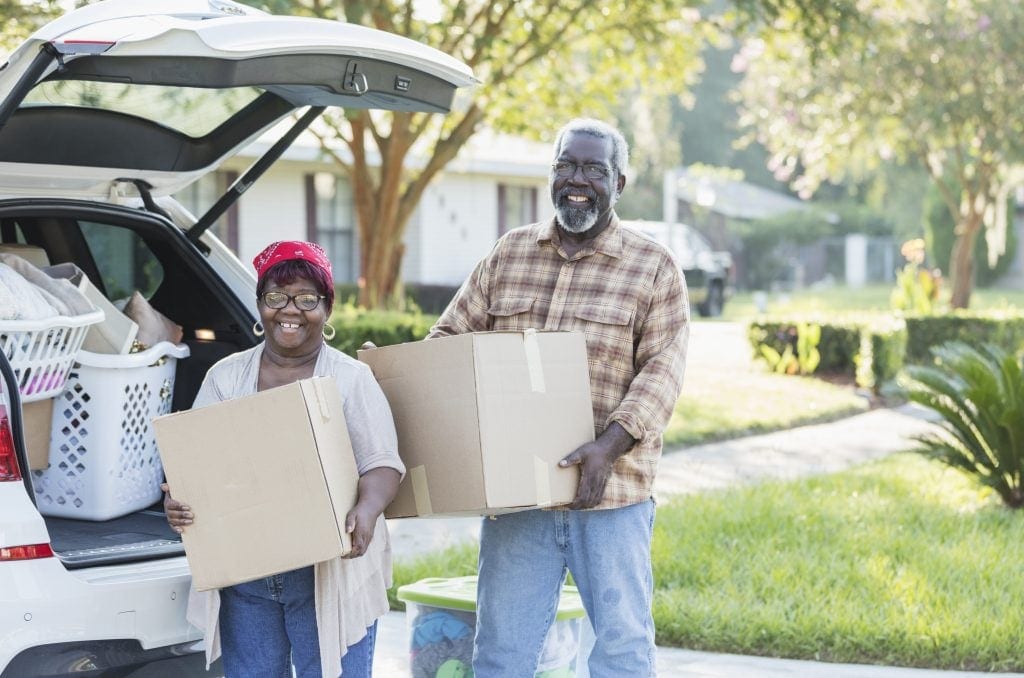
Image source: Getty Images.
Unexpected repairs could derail your budget
One of the biggest downsides of owning a home in retirement is that major expenses can arise without warning. You may need to replace your roof, get a new HVAC system, or sink money into new plumbing. And if you’re on a fixed income of Social Security and modest retirement plan withdrawals, that could put a strain on your finances.
As a renter, you won’t face the same uncertainties. Sure, your rent could increase from year to year. But at that point, you’re probably looking at an incremental increase, and you could always move if your rent gets to be too much. A major home repair, on the other hand, could leave you scrambling to come up with $10,000 or more on a whim.
Home maintenance could become a burden
Even if your home doesn’t require expensive repairs, simply maintaining it could become more difficult as you age. Lawn care, snow removal, and routine upkeep all require time and energy. And while you may have plenty of the former in retirement, you may have a limited amount of the latter.
Of course, you could outsource some of those tasks — even all of them. But hiring professionals could add hundreds or thousands of dollars to your annual housing costs.
When you rent, upkeep is your landlord’s problem, not yours.
Renting might offer more freedom to travel
Many retirees dream of spending more time traveling, visiting family, or living in different parts of the country throughout the year. But if you’re leaving a house vacant for weeks or months, you may have to pay someone to maintain the property, monitor for storm damage, or handle unexpected maintenance issues.
Renting can offer much more flexibility. Instead of committing to a single location year-round, you could choose to rent seasonal apartments based on where you want to be.
Homeownership is a great choice for many retirees. But it’s not the only path to a financially stable retirement. And in some cases, owning a home could put more of a strain on your savings than renting. So don’t assume being a homeowner is your best bet.
The $23,760 Social Security bonus most retirees completely overlook
If you’re like most Americans, you’re a few years (or more) behind on your retirement savings. But a handful of little-known “Social Security secrets” could help ensure a boost in your retirement income.
One easy trick could pay you as much as $23,760 more… each year! Once you learn how to maximize your Social Security benefits, we think you could retire confidently with the peace of mind we’re all after. Join Stock Advisor to learn more about these strategies.
View the “Social Security secrets” »
The Motley Fool has a disclosure policy.