Key Points
-
Gas prices experienced the highest inflation of measured goods and services in May.
-
The Social Security COLA is based on changes in the CPI-W, which gives a lot of weight to energy costs.
-
The Senior Citizens League predicts a 2027 COLA that could be one of the largest in the past decade.
Since the war in Iran began in late February, it has had a trickle-down effect on many goods and services, but the most notable has been gas prices. Anyone who has been to the pump in the past few months can attest to that, I’m sure.
Although the U.S. and Iran recently agreed to a peace deal, the effects of the past three and a half months will linger and may affect next year’s cost-of-living adjustment (COLA) for Social Security recipients. Here’s what retirees should know.
Where to invest $1,000 right now? Our analyst team just revealed what they believe are the 10 best stocks to buy right now, when you join Stock Advisor. See the stocks »
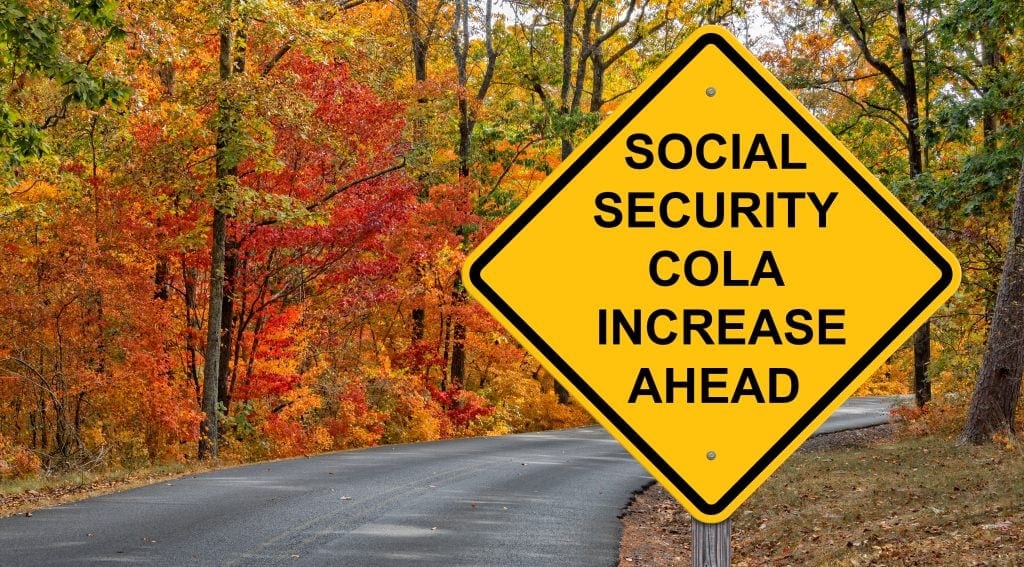
Image source: Getty Images.
Just how bad have rising gas prices been?
Each month, the U.S. Bureau of Labor Statistics releases data on inflation of various goods and services, and unsurprisingly, energy and gas prices have been leading the way. Here is how much they have increased since the beginning of the war in Iran:
| Month | Energy Index Increase | Gasoline Index Increase |
|---|---|---|
| March | 10.9% | 21.2% |
| April | 3.8% | 5.4% |
| May | 3.9% | 7% |
Data source: U.S. Bureau of Labor Statistics.
Unfortunately, these rising costs have far outpaced the 2.8% COLA that retirees received at the start of this year.
The implications for 2027’s COLA
The annual COLA is based on changes in the Consumer Price Index for Urban Wage Earners and Clerical Workers (CPI-W), which measures changes in the cost of goods and services, such as housing, food, transportation, and energy.
The Social Security Administration looks at CPI-W data from the third quarter (July, August, and September), compares it to the previous year’s third quarter, and then uses the percentage increase to set the upcoming COLA. If the average decreases from the previous year, benefits remain the same, but they won’t decrease.
For example, the third-quarter average in 2025 was 2.76% higher than in 2024, which is how we ended up with 2026’s 2.8% increase.
Since the COLA is based on the third-quarter CPI-W numbers, the current inflation numbers won’t have a direct impact on next year’s COLA, but there’s a real chance that inflation continues through those months (though maybe not as high), and Social Security recipients can expect a higher-than-usual COLA.
What can you expect from the 2027 COLA?
The Social Security Administration won’t release the official COLA number until October, but The Senior Citizens League — a bipartisan senior advocacy group — currently estimates the 2027 COLA at 3.8%. That would be the third-largest COLA in the past decade.
A high COLA sounds good (and is better than no COLA), but it doesn’t help retirees deal with the inflation they’re facing. Unfortunately, retirees should expect the purchasing power of their benefits to continue to decrease with time.
The $23,760 Social Security bonus most retirees completely overlook
If you’re like most Americans, you’re a few years (or more) behind on your retirement savings. But a handful of little-known “Social Security secrets” could help ensure a boost in your retirement income.
One easy trick could pay you as much as $23,760 more… each year! Once you learn how to maximize your Social Security benefits, we think you could retire confidently with the peace of mind we’re all after. Join Stock Advisor to learn more about these strategies.
View the “Social Security secrets” »
The Motley Fool has a disclosure policy.