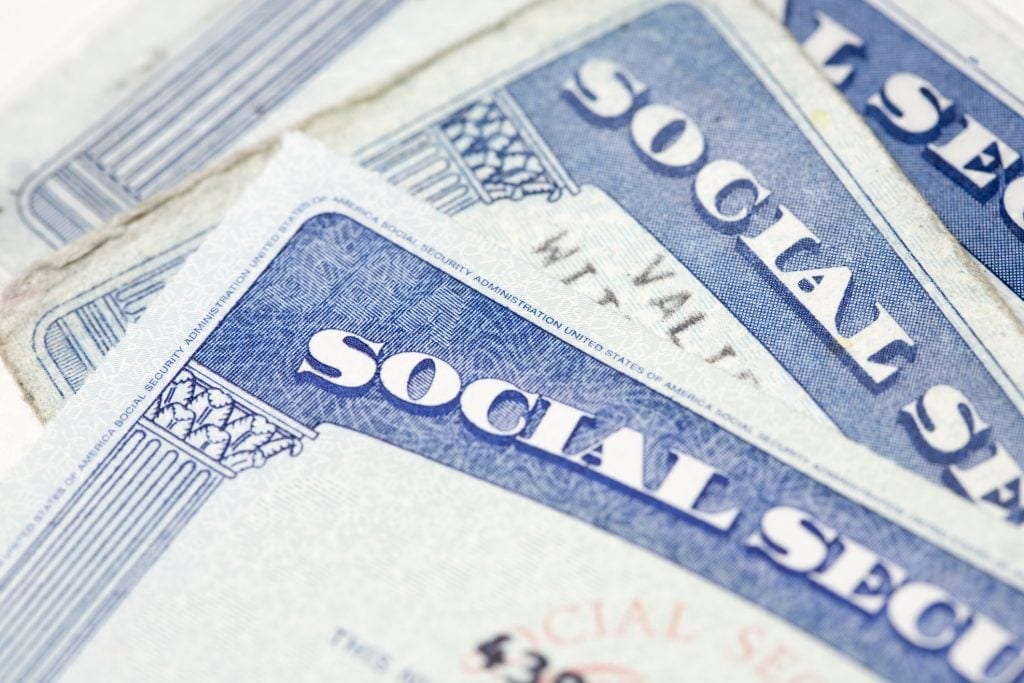
Key Points
-
At age 67, you’re no longer subject to an earnings test for Social Security.
-
This means you can earn a very high wage without having benefits withheld.
-
Earning money past age 67 could actually lead to larger monthly checks over time.
For many older Americans, age 67 marks a big milestone. It’s full retirement age for Social Security, which means you can take benefits without a reduction to your monthly checks.
But it’s not a given that you’ll want to stop working once you turn 67. You may decide to stay in the labor force because you enjoy what you do, you crave social interaction, or you’re not so thrilled with the amount of money you’ve saved for retirement and want to boost your IRA or 401(k).
Will AI create the world’s first trillionaire? Our team just released a report on the one little-known company, called an “Indispensable Monopoly” providing the critical technology Nvidia and Intel both need. Continue »
Image source: Getty Images.
The good news is that you’re allowed to work while collecting Social Security. And once you reach full retirement age, you’re no longer subject to Social Security’s earnings test.
Social Security sets limits for early claimants on how much they can earn before having benefits withheld. But the earnings test does not apply to you once you reach full retirement age.
That doesn’t mean working past age 67 won’t have an impact on your Social Security checks, though. You may be surprised by what happens if you continue to bring home a paycheck.
Working longer could increase your benefits
Your Social Security benefits are calculated based on your 35 most profitable years in the workforce. If you continue working past 67 and earn a large amount of money, it could result in boosted benefits if you’re able to replace a year of lower or zero earnings.
Let’s imagine you have a 35-year work history, but early on in your career, you only managed to bring home $20,000 a year. Even though Social Security adjusts earlier wages for inflation in its benefits formula, if you’re currently earning an annual salary of $150,000, that’s going to be a lot higher than $20,000 in today’s dollars.
Once the Social Security Administration records your $150,000 annual wage and replaces a year of $20,000 with that figure, your monthly benefits should increase.
Of course, this assumes that you’re taking benefits by age 67. If you’re still working at that point, you may be in a position to delay your claim past full retirement age. Each year you wait gives your monthly Social Security checks a permanent 8% boost until you turn 70.
That boost has nothing to do with the amount of money you earn. It’s simply a function of waiting to file, which is easier to do if you’re still collecting a paycheck from a job.
Working longer has its benefits
If your job isn’t particularly stressful and the pay is good, sticking with it beyond age 67 could work to your advantage. Not only might it help you boost your retirement savings, but it could also lead to larger Social Security checks, whether by adding higher wages to your personal benefits formula or making it possible to delay your claim for larger monthly checks.
The $23,760 Social Security bonus most retirees completely overlook
If you’re like most Americans, you’re a few years (or more) behind on your retirement savings. But a handful of little-known “Social Security secrets” could help ensure a boost in your retirement income.
One easy trick could pay you as much as $23,760 more… each year! Once you learn how to maximize your Social Security benefits, we think you could retire confidently with the peace of mind we’re all after. Join Stock Advisor to learn more about these strategies.
The Motley Fool has a disclosure policy.