Key Points
-
Your Social Security benefits are calculated based on your 35 highest-paid years of earnings.
-
If you retire in your 50s, you may not have a chance to work for 35 years.
-
Early retirement could result in smaller monthly checks, but delaying your claim could help make up for that.
For many people, retiring in their 50s sounds like the ultimate financial goal. Leaving the workforce early can offer more freedom, less stress, and extra time to enjoy life while your health is still in good shape.
But stepping away from work for good in your 50s could have a major impact on your Social Security checks. It’s important to understand how retiring in your 50s might impact your future income, aside from needing your savings to last longer.
Will AI create the world’s first trillionaire? Our team just released a report on the one little-known company, called an “Indispensable Monopoly” providing the critical technology Nvidia and Intel both need. Continue »
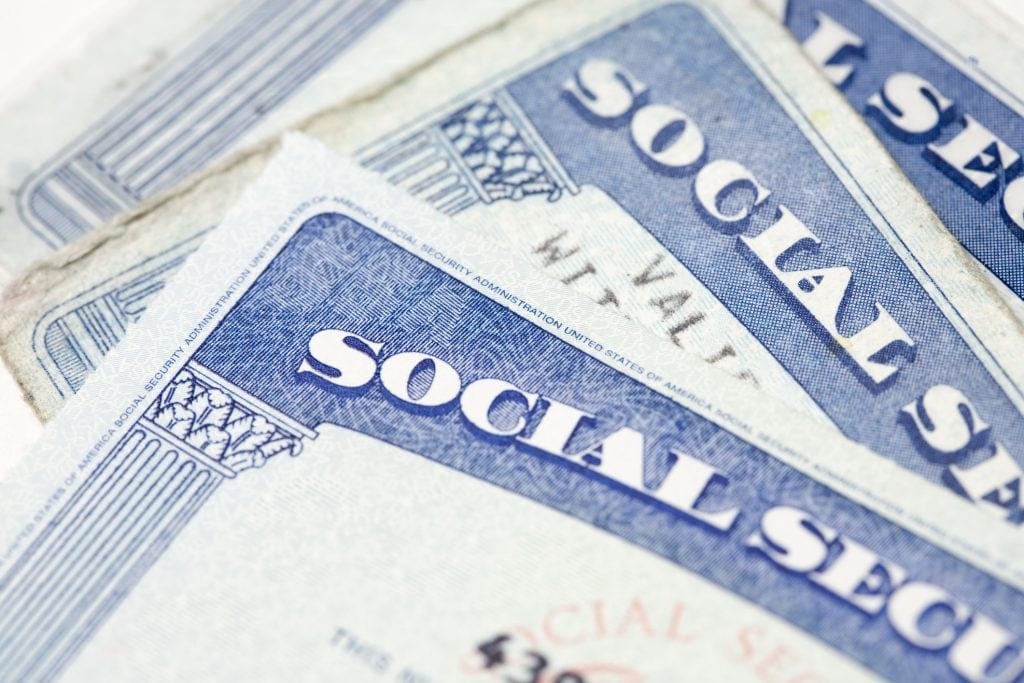
Image source: Getty Images.
How Social Security benefits are calculated
Social Security benefits are based on your lifetime earnings history — specifically, your highest 35 years of income. But if you retire in your 50s, you may not spend 35 years in the labor force.
For example, let’s say you got your first job at 22 and you retire at 52. That’s 30 years of earnings only, which means that for the remaining five years in your benefits formula, you’ll have $0 factored in. Those $0s could reduce the retirement benefits you’re entitled to, whereas working five extra years and avoiding those $0s could lead to larger Social Security checks.
The impact of retiring in your 50s on your Social Security checks could be even more substantial if you took time off earlier in your career or had much lower wages in your 20s and 30s. If you reach your peak earnings around age 50 but retire just a few years later, you could end up with a monthly Social Security benefit you aren’t as happy with.
How to work around smaller benefits
Retiring in your 50s isn’t necessarily a bad idea. And if you’re doing so because you’ve accumulated so much savings that you can afford to end your career so young, then your Social Security checks may not matter as much during retirement.
But some people retire in their 50s out of necessity, not because they’re loaded with savings. You may, for example, have to retire at 57 if you do physical work your body can no longer handle.
The good news is that there are steps you can take to offset the smaller Social Security benefits that may come from ending your career in your 50s. One option, for example, is to boost your income substantially right before you retire.
Let’s say you know in advance that your time in the labor force is limited. If you’re able to pick up a lot of overtime and extra pay your last year on the job, those higher wages could help boost your benefits.
Another option, if you have savings or another source of income, is to delay your Social Security claim for larger checks. Those benefits become available starting at age 62. But each year you wait, until you turn 70, results in a larger monthly payout for life.
Specifically, waiting until full retirement age, which is 67 if you were born in 1960 or later, helps you avoid reduced benefits. Delaying your claim past full retirement age boosts your benefits by 8% a year until age 70.
There are plenty of good reasons to retire in your 50s. But it’s important to understand how an early workforce exit might have a long-lasting impact on your Social Security benefits so you can plan accordingly.
The $23,760 Social Security bonus most retirees completely overlook
If you’re like most Americans, you’re a few years (or more) behind on your retirement savings. But a handful of little-known “Social Security secrets” could help ensure a boost in your retirement income.
One easy trick could pay you as much as $23,760 more… each year! Once you learn how to maximize your Social Security benefits, we think you could retire confidently with the peace of mind we’re all after. Join Stock Advisor to learn more about these strategies.
The Motley Fool has a disclosure policy.