Image source: Getty Images
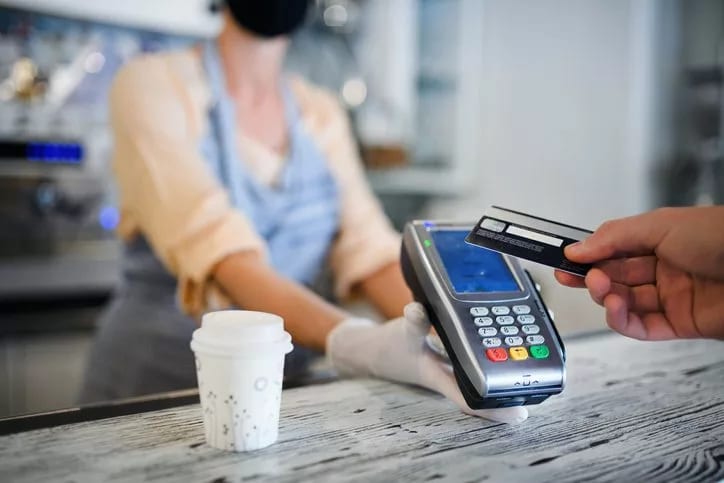
I used to swipe a credit card pretty much every time I opted to eat at a restaurant. That way, I was able to rack up rewards and cash back on my meals. But these days, I hardly do that for one big reason — the dreaded surcharge.
Credit card companies charge businesses processing fees that can eat away at their profits in a really big way. In recent years, smaller businesses in particular have taken to imposing surcharges for credit card purchases. And because those surcharges can exceed the amount of cash back your credit card gives you, they’re worth avoiding when possible — which is why I’ve now gotten into the habit of bringing cash with me to restaurants.
Now, if you’re wondering whether it’s legal for businesses to impose a credit card surcharge, the answer is yes, for the most part. But there are rules that need to be followed.
The specifics of those rules can vary from one state to the next. But generally speaking, businesses that charge extra for credit cards need to follow these rules.
1. The surcharge can’t be hidden
If you rack up a tab of $80 at a restaurant, that establishment can’t just run your credit card for $82.40 and tell you, “Oh yeah, there’s a 3% surcharge on credit cards” after the fact. Rather, businesses have to notify customers of that surcharge in writing — such as on a restaurant menu, for example. In some states, there may be a requirement to post that notice in more than one place so it’s absolutely clear.
Also, when imposing a surcharge, it needs to be listed as its own line item on a receipt. It can’t be lumped into an existing charge. As a customer, you deserve to know exactly what your surcharge amounts to.
2. Businesses can’t profit from surcharges
Many businesses say they impose credit card surcharges to recoup their processing fees. But they can’t profit from those surcharges. So if you’re at a restaurant and see that there’s a 5% or 6% extra charge, question it. That’s beyond what credit card processing fees commonly amount to.
3. Surcharges can’t apply to debit cards
Generally speaking, businesses are allowed to impose a surcharge for credit cards — but not debit cards. This rule also applies to prepaid cards, such as gift cards. That said, if you’re swiping a debit card to pay for a product or meal, you may want to make sure the merchant knows it’s not a credit card and confirm that you won’t be charged.
It’s annoying to have to pay extra for the convenience of using your credit card. The good news is that major retailers like big-box stores and supermarkets don’t tend to impose surcharges for credit card use. Usually, it’s smaller operations that simply can’t afford to eat those fees themselves.
But the next time you’re visiting a restaurant or small business, read the fine print carefully. You may find that you can save money by paying in cash, even when you account for the potential to rack up credit card rewards on your purchases.
Our picks for 2024’s best credit cards
Our experts carefully review the most popular offers and select those that are worthy of a spot in your wallet. These standout cards come with fantastic benefits like sign-up bonuses worth $200 or more, 0% intro APR for up to 21 months, and cash back rates up to 5%.
Click here to see our top credit cards
We’re firm believers in the Golden Rule, which is why editorial opinions are ours alone and have not been previously reviewed, approved, or endorsed by included advertisers.
The Ascent does not cover all offers on the market. Editorial content from The Ascent is separate from The Motley Fool editorial content and is created by a different analyst team.The Motley Fool has a disclosure policy.