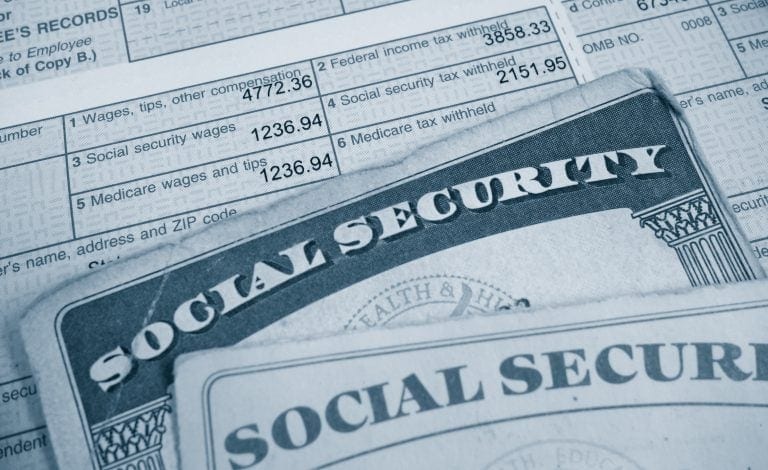

I just got the dreaded notification: “You’ve been pwned.” 😥
Yep — got the email a couple of days ago, and it seems my personal info was caught up in a massive bank data breach. Hackers now have access to my full name, address, birthdate, email, phone number — all the stuff that makes me an easy target for identity theft and credit card fraud.
This isn’t the first time, actually. But honestly I’m still a little freaked out.
According to Motley Fool Money’s recent identity theft study, credit card fraud is easily the most common type of identity theft. And it’s on the rise — reported cases have jumped 54% year over year from 2024 to 2025.
Even worse, I’m in the scariest demographic! I’m in my early 40s and live in California — two groups with the highest fraud reports. Yikes!
It sucks. But it’s also a wake-up call.
Here are a few things I’m doing to make me a harder target for credit card fraud in 2026.
1. Lock down your credit with a freeze
The first step is freezing your credit. This makes it nearly impossible for a scammer to open credit in your name.
It’s totally free and only takes a few minutes to set up with all three major credit bureaus — Experian, Equifax, and TransUnion. Once it’s in place, no one (not even you) can open new credit unless the freeze is temporarily lifted with a PIN.
Bonus: If you’re not ready for a full freeze, you can set a one-year fraud alert on your credit instead. That just requires lenders to verify your identity more thoroughly.
Oh, and freezing/unfreezing credit doesn’t hurt your credit score.
2. Use virtual card numbers when shopping online
Ever notice inside your credit card app the option to get a “virtual card” for online purchases?
This feature creates a new credit card number tied to your real account. It’s generated instantly and can be used as a single-use purchase, or for individual ongoing subscriptions.
Virtual cards are perfect for protecting your real digits from shady retailers or accidental leaks. A handful of credit card issuers offer these for free, and many other issuers are rolling them out too.
Explore top rewards cards in 2026 that offer added online protection and perks.
3. Turn on real-time purchase alerts
This is one of the most underrated tools in your anti-fraud toolkit.
Most major credit cards let you set instant text or push alerts for every single charge — big or small. That means you’ll know immediately if someone’s testing your card with a $1 charge at some gas station across the country.
You can also set alerts or notifications for transactions only above a specific limit (eg. $100+), so the small stuff won’t annoy you daily.
4. Turn on dual-factor authentication
I won’t lecture you about setting unique passwords, because you’re already doing that… right? (I hope so!)
But even strong passwords can leak. So that’s where dual-factor authentication (2FA) comes in.
Most financial apps offer it during sign-up. They’ll send a text or email to you whenever you’re logging in from a new device or area. So even if a scammer gets your password, they still can’t get in.
5. Check your accounts (and credit reports) regularly
Fraudsters are sneaky. Even if you do everything right, there’s still a chance you’ll spot a weird charge or an unfamiliar account opened in your name.
The only way to catch that stuff early is regular check-ins. Personally, I monitor my credit via several banking apps. This is a free service offered by many banks and credit card issuers.
I get alerted whenever something changes on my credit report. Plus I keep tabs on my credit score to make sure it’s not drifting in the wrong direction without me knowing.
As for full credit report reviews, I do one every six months or so. You’re legally entitled to a free credit report every year from each of the three major bureaus. Grab yours at AnnualCreditReport.com and order a different one every four months if you want.
The bottom line
Credit card fraud is way more common than most people realize. And I’m doing my best not to become part of …the next wave of horror stories.
The good news is there are a handful of things in our control. And thankfully many of them are offered for free, within the banking apps we already use.
Lock your credit. Rotate those passwords. Set up alerts. And don’t let the hackers win.
Want to step up your credit game while you’re at it? Check out our favorite credit cards for 2026 and start earning smarter rewards.
Alert: highest cash back card we’ve seen now has 0% intro APR into 2027
This credit card is not just good – it’s so exceptional that our experts use it personally. It features a 0% intro APR for 15 months, a cash back rate of up to 5%, and all somehow for no annual fee!
Click here to read our full review for free and apply in just 2 minutes.
We’re firm believers in the Golden Rule, which is why editorial opinions are ours alone and have not been previously reviewed, approved, or endorsed by included advertisers.
Motley Fool Money does not cover all offers on the market. Editorial content from Motley Fool Money is separate from The Motley Fool editorial content and is created by a different analyst team.The Motley Fool has a disclosure policy.